
Menopause In Different Cultures

What Menopause Looks Like in Different Cultures
Menopause in different cultures is a huge club to belong to, and according to the WHO (World Health Organisation) there will be around 1.2 billion women all around the globe that are going through perimenopause or menopause. Women will experience this differently to the next, as every individual will be unique. Research shows that depending on where you live and your culture, this may affect your menopause experience.
An interview with Reuters Health said, some societies where age is more revered and the older woman are the wise and better women, therefore their menopause symptoms are less of a problem. In contrast where older is not better, many women equate menopause with old age, and symptoms can be much worse.
In the US, UK, Canada and Australia, menopause can be seen as a time to dread and navigate in silence.
Work, home life and everyday activities that we once took for granted can feel like a minefield. We become so concerned that we’ll have a hot flush in a meeting, cry over nothing, not fitting into clothes that once fitted perfectly.
Around 75% of women experience hot flashes and many others experience sleepless nights, vaginal dryness, weight gain and mood swings. But, despite this women are not willing to discuss their symptoms, even though 62% of them felt it was affecting their work.
In the US alone, 6 million women use hormone replacement therapy every year to help manage their menopause symptoms. But as HRT isn’t always appropriate for everyone, many women turn to supplements, and increasingly to hypnotherapy for hot flashes.
Hormone Replacement Therapy (HRT), often referred to as Menopausal Hormone Therapy (MHT), has traditionally been used less frequently across many Asian countries than in Western nations. Earlier studies found that many women preferred herbal or natural remedies over hormone therapy, with Traditional Chinese Medicine continuing to play an important role in menopause care.
More recent research from 2024 suggests awareness and discussion around menopause and hormone therapy are increasing in China, particularly in urban areas and among younger generations. However, HRT use still appears to remain relatively low compared with many Western countries.
Researchers believe cultural attitudes towards ageing, concerns about side effects, access to specialist menopause care, and a preference for natural or traditional approaches may all influence women’s treatment choices. British Menopause Society
Menopause In Asia
Japan is quite possibly the perfect place for how to deal with menopause.
So, few Japanese women report experiencing hot flashes, around 25%-50% that it has been reported they had to create a word for it. In Japan, menopause is called Konenki, meaning “renewal years” or “energy season.” Instead of decline, it’s seen as a natural transition
Japanese women also have lower rates of other health problems that typically worsen post menopause, including heart disease, osteoporosis and breast cancer.
One theory is that the Japanese diet is high in soy, which containers isoflavone’s that mimic oestrogen, and during the menopause when oestrogen is low and that typically cause hot flashes. The report also showed that Japanese women often feel chilliness rather than hot flashes.
This may be one reason why Japanese women experience fewer hot flashes than western women, however there are both benefits and risks to consuming high amounts of soy or isoflavones.
Could this also be because Japanese women experience of the menopause as a collective cultural attitude, as in Japan menopause is looked upon as a natural life event and the word menopause (Konenki) means renewal, season and energy.
How Indian Women see Menopause
The menopause period was considered a beginning of the new phase of life in India, one of freedom, maturity, knowledge, and elevated status in society. It was not associated with anything negative but regarded as a positive stage of the woman’s life when she would get relieved of all demands concerning fertility.
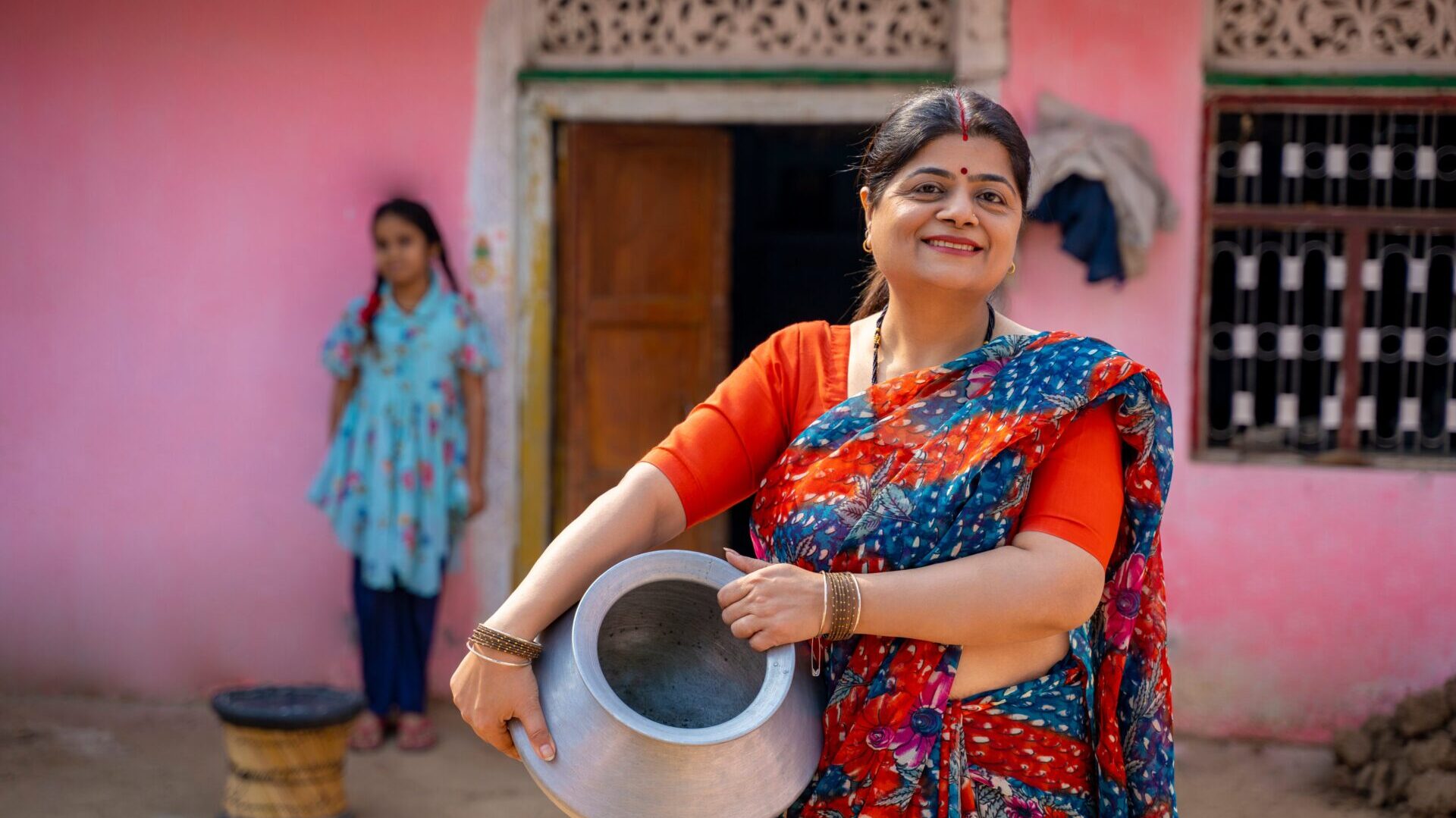
During the 70s and 80s, many studies were conducted regarding the influence of the culture on the menopause experience in women. Thus, in 1975, an anthropologist Marcha Flint concluded that in Rajasthan women could be free from veiling, restriction, and any other social constraints imposed on them during the reproductive years. They could socialise freely among men, take part in community discussion groups and social activities previously restricted to men.
It should also be noted that the status of women rose after menopause, for they were treated with higher esteem by members of their family and community. Their opinion became significant, and women got a stronger sense of identification.
While experiences differ greatly across India depending on region, religion, lifestyle, and access to healthcare, traditional attitudes often framed menopause as a normal and accepted part of life rather than a medical problem to be feared.
Chinese Culture Around Menopause
In China, menopause is often seen as a rebirth or a transition into a calmer and more balanced part of life. Traditional Chinese beliefs suggest that this period is when energy previously used for menstruation, fertility, pregnancy, and childrearing is conserved and redirected toward wisdom, health, and personal well-being.
Traditional Chinese Medicine (TCM) connects menopause to changes in energy, or “Qi,” and emphasizes the need to maintain balance in the body. Instead of viewing menopause solely as a medical issue, it has traditionally been seen as a natural part of the aging process.
Research indicates that Chinese women generally report fewer hot flashes than many Western women, although experiences can vary widely based on lifestyle, stress, diet, and environment. Women in rural areas, especially those involved in farming and active lifestyles, often report fewer menopausal symptoms than those in large cities. On the other hand, professional women living in urban areas may face higher stress levels, longer working hours, and greater pressure to balance their careers and family life, all of which can impact their menopause experience.
With China’s modernization, attitudes toward aging and menopause have started to change, particularly among younger generations and city dwellers. Diet might also play a role. Traditional Chinese diets, which are rich in vegetables, soy products, tea, and natural foods, have been linked to lower rates of certain menopausal symptoms.
Researchers continue to investigate the specific reasons for these differences. Overall, Chinese views on menopause underscore the significant influence of culture, lifestyle, community, and beliefs on how women experience this stage of life.
Middle Eastern Women
In a region that spans 20 countries and many, many ethnic groups, there are no doubt a wide variety of menopause experiences in the middle east. In the few studies that have been done into women’s menopause experiences in the middle east, there are some interesting common themes.
From a symptom point of view, it appears that women in Saudi Arabia experience similar frequency and severity of hot flashes to women in the West. But cultural attitudes to menopause are quite different.
The word for menopause in Arabic translates to “the hopeless” or the age of desperation, but this is a thought to have more to do with the end of childbearing years, than actual experience of menopause or aging.
Postmenopausal life for women in the Middle East can be a sign of renewed life, greater inclusion, and higher position in society.
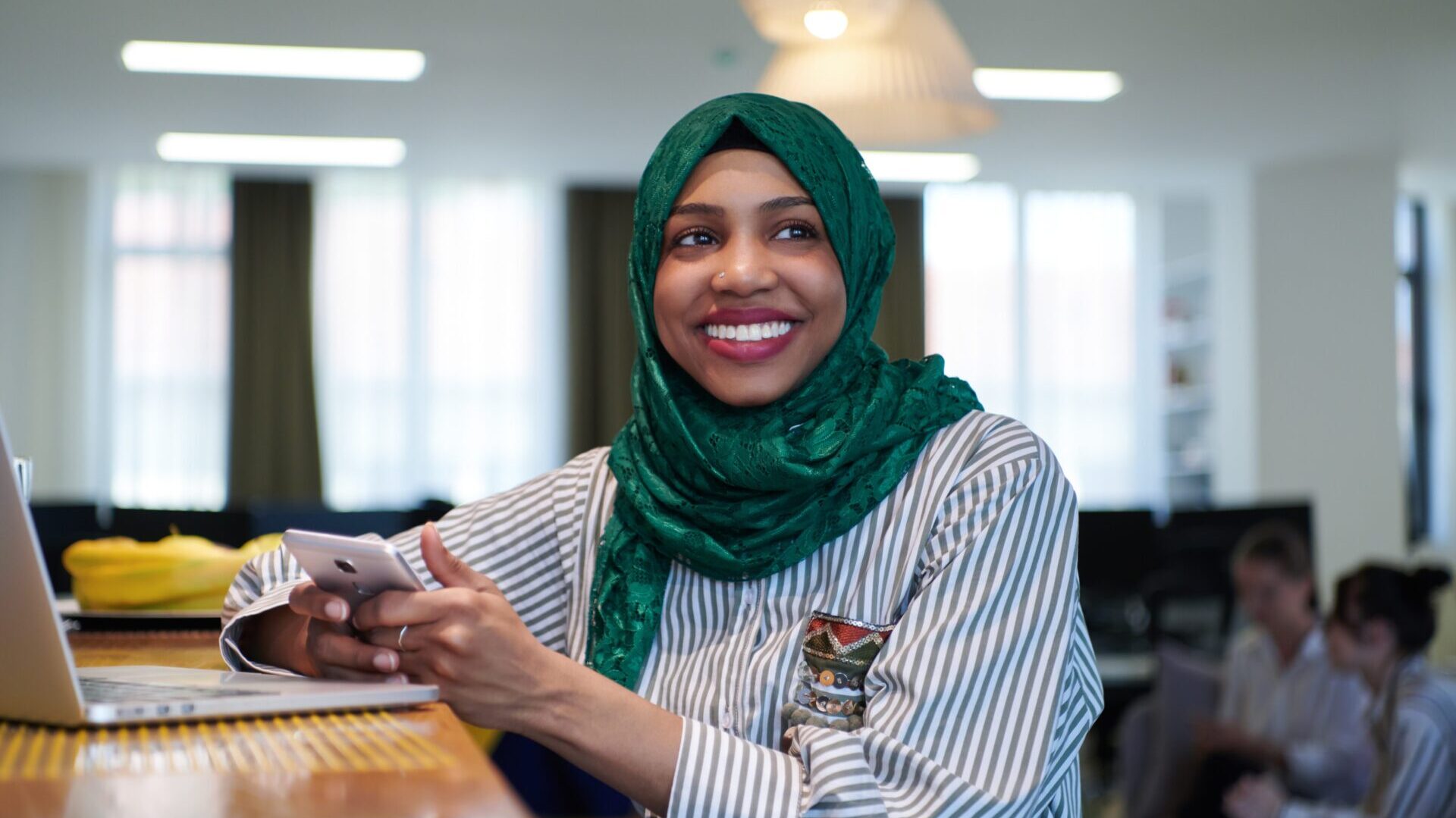
Qatari women look forward to menopause as a time of liberation. In a study many women talked about being socially active after menopause. Post menopause is when they could take part in religious activities that were previously off limits while they were menstruating.
In the same study, it showed that women’s experiences largely depended on how supportive their husbands were. When women in the study were asked of their perceptions of menopause in the West, many believed that western women would not have the same support from husbands and families and therefore have a more negative experience.
A review of social impacts on menopause experiences showed that in Iran, prayer played a major role for women. While participating in prayer may provide an element of social support, there is also a level of comfort from the perception that menopause is a natural journey to navigate.
Currently there is very little data on menopause treatments used by women in the Middle East to manage their symptoms, but it is thought that there is a preference for natural remedies over HRT.
Menopause and First Nations
First Nations women may have quite a different experience that their Caucasian counterparts.
For some North American First Nations there isn’t even a word for menopause, it’s just a period known as “when the period stops”. This doesn’t mean symptoms are experienced to any lesser degree, but hot flashes, mood swings, and sleep issues just aren’t as well associated with the menopause process.
In 2010 a study was conducted into First Nations experiences of menopause, some participants spoke about how entering this stage of life changed their status within their communities. They are seen as wise, because of their lived experiences.
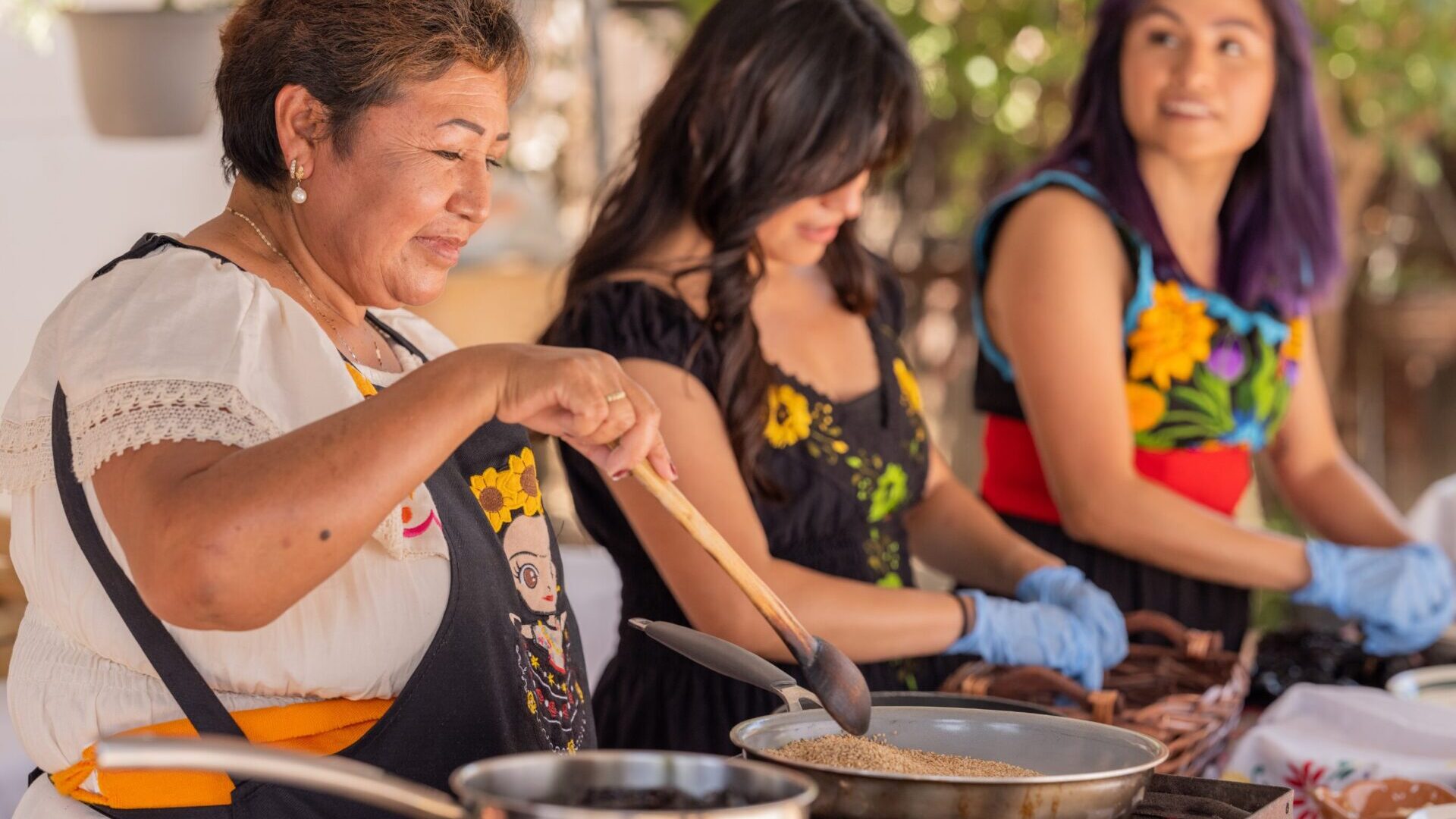
Many Mayan women experience menopause at a slightly earlier age (44 compared to 51 in the west) but their transition comes almost symptom free. Even those who do experience symptoms, approach it with optimism, and a positive attitude about their change in social status.
For Māori women, hot flashes and other menopause symptoms happen at a similar frequency to non-Māori New Zealanders, but they are less likely to seek healthcare support for their symptoms.
Less is known about the experiences of Australian Aboriginal women. Again, in a study of Indigenous women from Queensland, there seemed to be little understanding of menopause, or even recognition of the word.
This may be because “a woman’s business” with Australian Indigenous cultures is very private. The study found around 59% of women surveyed weren’t aware that their periods would eventually stop. In another small study Aboriginal women who participated mentioned fear of the changes they were experiencing but also talked of gaining respect in their community as they aged.
Menopause Management
Māori, North American Indian and Indigenous Australian women may experience menopause symptoms to the same degree as their Caucasian counterparts, but studies suggest they are less likely to use HRT. Whether this is because of cultural influences or a lack of health, knowledge and access to healthcare needs to be studied in more depth.
It is clear that the way we approach menopause can have an impact on our experiences.
In an article for the British Psychological Society the author said “in western societies women tend to be valued for their physical and sexual attractiveness, reproductive capacity and youthfulness. Aging is often seen negatively among women and the wider society.
And even though an individual’s experiences are unique, perhaps our collective experience can be improved if we work towards a culture that celebrates the wisdom that comes with aging, and the benefits of moving to this next stage of life.
A first step is to normalize menopause through open conversation with friends, mothers, family and colleagues.
Another step is to educate ourselves on our physical symptoms and understand the menopause management tools available to us.
A final step is to be kind to ourselves, appreciated all that our bodies have been through to this point and all that they are capable of now.
Final Thought
Millions of women experience perimenopause and menopause every year, but the extent that it is a positive or negative experience may reflect cultural influences in the West, menopause can be seen as a time of dread, while in the Middle East, Asia and for some first nations it is a time of renewal, rebirth and improved social status. By normalizing the menopause and educating ourselves on the management of, we can reclaim this time of our life and create our own positive experience. Check out my Free Resources for more information.
Are you ready?
Take control of your menopause
Put yourself back in control.





